
June 24, 2026 · 4 min read
Planning a School Trip by Charter Bus: A Checklist for Organizers
By the Credence Charter Bus team
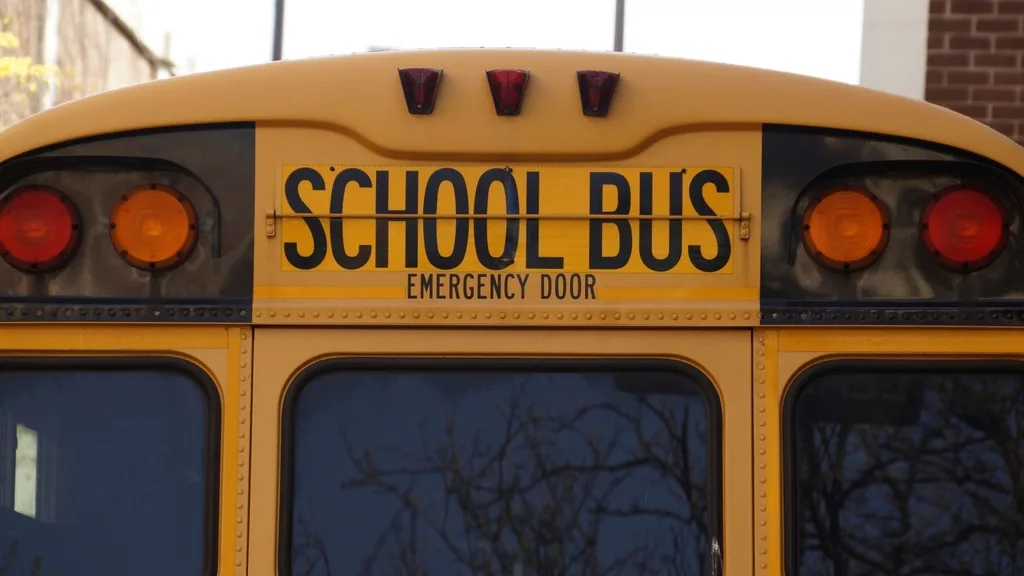
School trips carry a longer checklist than any other charter bus booking — approvals, permission slips, chaperone ratios, and a schedule that has to work around the bell. Handled in the right order none of it is difficult, and most of the stress organizers describe comes from doing the steps out of sequence. Here is the order experienced organizers follow.
Eight weeks out: lock the framework
- Get administrative approval and confirm who owns the budget line.
- Request quotes with your student count, grade level, and any district vendor requirements.
- Confirm the operator's insurance certificates and driver vetting meet district policy before you go further.
That third item is the one that derails trips. Districts often have paperwork requirements an operator has never seen, and discovering that two weeks out means starting the search again. Ask for the certificates at the quote stage and hand them to your business office immediately.
Choosing between a school bus and a charter bus
For local trips under two hours, a classic school bus is the economical and familiar choice, seating 28 to 60 depending on the vehicle. For longer academic travel — state competitions, college visits, overnight trips — a full charter bus earns its cost with seat belts, luggage bays, an on-board restroom, and a smoother highway ride that gets students there rested rather than restless.
Smaller groups have a third option. A mini bus seating 20 to 32 suits a single class, a debate team or a music ensemble, and it parks at museums and campuses where a full coach needs a plan. Ask for prices on two sizes if your count is near thirty.
Two weeks out: finalize the manifest
- Confirm the final headcount and the chaperone ratio your district requires.
- Share the seating plan and emergency contact sheet with the operator.
- Walk the schedule with your coordinator: load time, rest stops, and the pickup point for the return leg.
Build the return pickup point into the conversation early. Museums and stadiums frequently have a different coach lane for collection than for drop-off, and students waiting at the wrong door in the dark is the most common late finish on a school trip.
Overnight trips add one more layer. Hours-of-service rules limit how long a single driver may be at the wheel in a day, so a long outbound leg followed by an evening excursion sometimes needs a second driver. Ask about that while you are still choosing dates, because it moves the price more than any other add-on and it is much easier to design around than to absorb.
Budgeting and cost-sharing
Charter pricing is per vehicle, not per student, which means the cost per child falls sharply as the bus fills. A trip that looks unaffordable for 25 students is often comfortable for 45 on the same vehicle. If you are combining two classes or two grade levels to fill a coach, price it that way from the start rather than as two bookings.
Ask for the quote itemized so that the finance office can see driver, fuel, tolls and taxes separately. Our school trip transportation quotes are all-in by default, and we can split the paperwork by class if two budget lines are paying.
Safety paperwork parents will ask about
Expect at least one parent to ask how the trip is being kept safe, and have the answer ready before the question arrives. The operator should be able to confirm current insurance coverage and that drivers hold a commercial license with a passenger endorsement and sit within an ongoing drug and alcohol testing program. Ours go out with school quotes by default rather than on request.
Seat belts are the other recurring question. Full-size charter buses have them at every seat; many traditional school buses do not, because they are engineered around compartmentalization instead. Neither approach is unsafe, but the difference is far better explained in the letter home than in a phone call the night before.
It is also worth settling who sits where. Districts commonly require a chaperone at the rear of the vehicle and one near the door, which changes the seating plan you hand to the driver. Agree that with your administration before you print it, not at the curb on the morning.
On the day
Board by roster, count twice, and exchange cell numbers with the driver before the wheels roll. A good operator's dispatch stays reachable for the whole trip — if a museum runs late or the weather shifts the schedule, one phone call adjusts the plan rather than unravelling it. Count again at every departure, including the one nobody thinks of, which is leaving the rest stop.
Teachers searching for charter bus rental near me at the start of term will find that spring dates go first, because every school wants the same three weeks in May. Booking in the autumn for a spring trip is not over-planning; it is how the trips that happen get vehicles. Send your dates, student count and destinations and request a quote — we plan school travel in every state we serve, and you will usually have a price back the same day.